





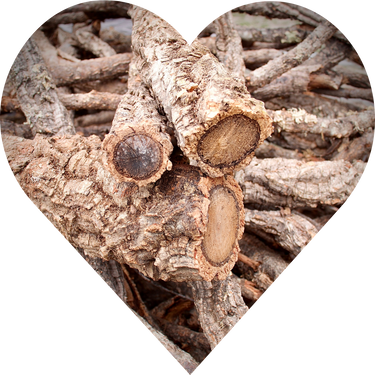


Cork bark is one of the most useful materials you can add to a reptile terrarium. It is light, it holds up in humidity, and it gives your animals natural places to hide, climb, and explore. Here is how keepers put it to work.
Hides and shelters
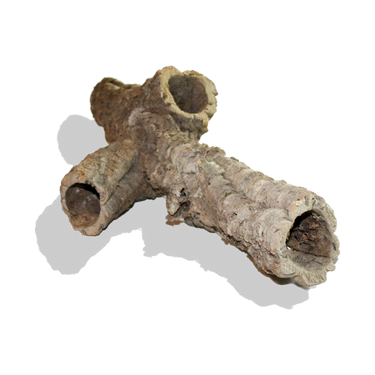
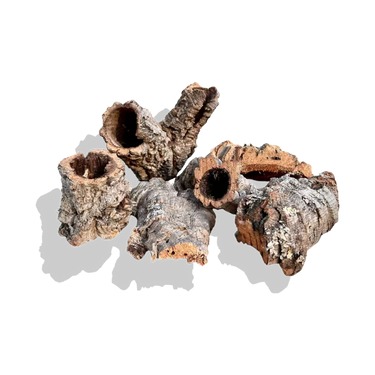
Hollow cork rounds and half rounds make instant hides. Snakes use the tubes as tunnels, and geckos and smaller reptiles tuck under the half rounds. Because cork is light, you can stack and angle pieces without crushing anything underneath.
Climbing and basking
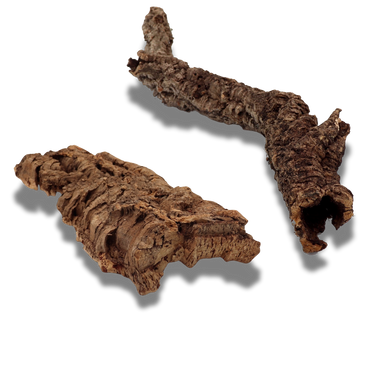
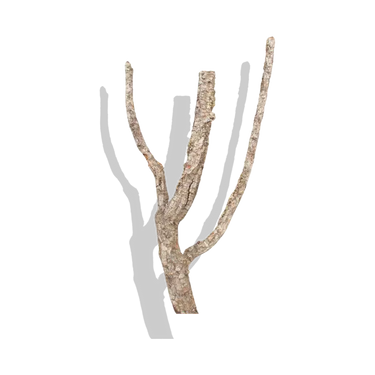
Cork branches and flats give climbing species something to grip. Lean a flat against the back wall for a basking ramp, or wedge branches across the enclosure. The rough bark surface gives claws plenty of traction.
Backgrounds and walls
Cork flats and panels are a simple way to cover a bare glass back wall. They look natural, they hide cords and equipment, and you can mount plants right onto them. Most keepers attach them with aquarium safe silicone.
Why cork holds up
Cork is naturally mold resistant, so it does well in humid and bioactive setups. It will not warp under heat lamps, and it is safe for animals because it is chemical free. It also lasts for years, which makes it a better value than softer woods that break down fast.
Not sure which type fits your enclosure? Start with a mix of flats and rounds, or grab a Sellers Choice box and see what works best for your space.
Ready to build one? Our Complete Vivarium Kit bundles a flat, a hide, a branch, and substrate into one box, or browse all our bundles and save 5%.