






Beginner Reptile Hide Bundle
Cork Haven
A first enclosure, sorted in one order.
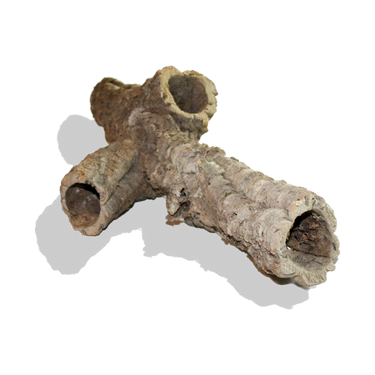
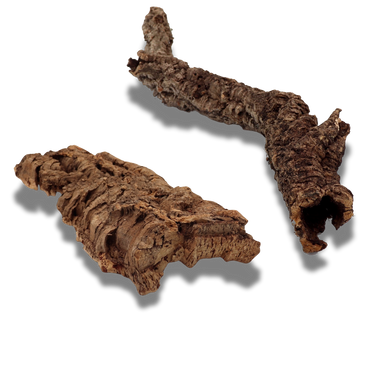
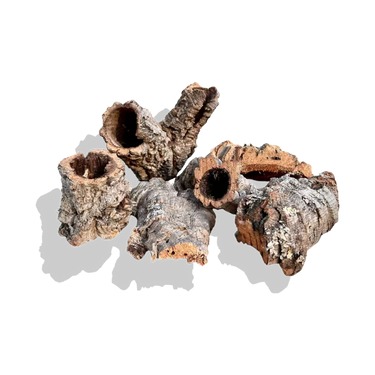
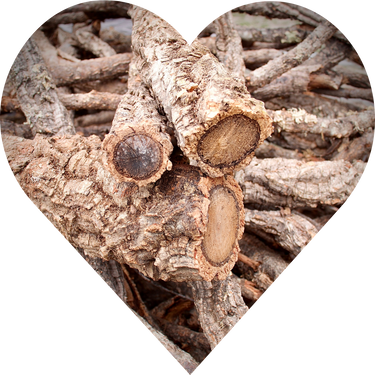
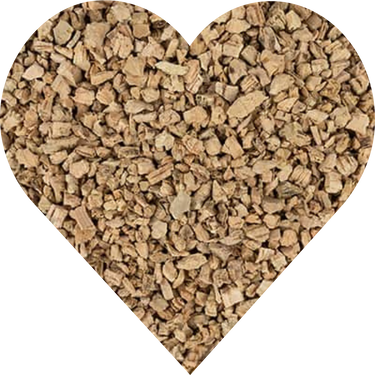
Cork rounds and half rounds give your reptile places to hide and climb, and micro cork bits fill the smaller gaps. It is the least complicated way to get a natural looking setup from day one, without working out which shapes you need before you have kept anything in them.
Why these three shapes. A round is a ready-made hide and tunnel - a snake will use one the day it goes in, with no training and no coaxing. A half round is the same piece split lengthways, which turns a tunnel into an arch that sits flat on substrate as an open hide and lifts out in one movement at cleaning time. The micro bits fill the awkward gaps a background leaves and give a clean-up crew cover.
What it suits. Ball pythons, corn snakes, leopard and crested geckos, and most first reptiles. If you are unsure about sizing, a hide should be snug - an animal wants contact on all sides, and a hide that is too generous gets ignored.
Before it goes in. A rinse under running water is normally enough. Boiling water poured over the pieces if you want to be extra careful. No soap.
Virgin cork bark, hand harvested in Portugal, heat treated, and safe for reptiles, amphibians, inverts and small mammals.
Product information
100% virgin cork bark. Harvested by hand from cork oak forests in Portugal, then graded at our warehouse in Madison, Florida.
Nothing is added. No chemicals, no dyes, no coatings, no sealants. The bark is heat treated before it ships and that is the only processing it receives.
Naturally water resistant and rot resistant, which is why cork holds up in humid and bioactive enclosures where most woods break down. It resists mould better than any comparable natural material.
Safe for reptiles, amphibians, invertebrates, birds and small mammals.
Sustainably harvested. Stripping bark does not fell the tree. Cork oaks are harvested on a cycle and the bark regrows, which makes cork oak forest one of the few working landscapes that gets healthier the longer it is worked.
Because this is a natural product graded by hand, every piece is different. Colour, thickness and curvature vary from piece to piece — that variation is the material, not a defect.
Cork is sold by weight, not by piece, so you order the amount your build needs rather than guessing at quantities.
How much do I need? As a rough guide, a 10–20 gallon enclosure takes about 3–5 lbs, a 29–40 gallon about 5–10 lbs, and larger builds 10 lbs or more. The buying guide has the full breakdown by setup type.
Shipping. Flat rate on all orders. See shipping & store policies for current rates and dispatch times.
Returns. See returns & refunds.
Buying in volume? Bulk and wholesale pricing is available — see wholesale enquiries.
Before first use. A rinse under running water is normally all that is needed. If you want to be thorough, scrub with a stiff brush and let it dry completely, or pour boiling water over it and allow it to cool.
Do not use soap, detergent or household cleaners. Cork is porous and will hold the residue, which then leaches into the enclosure.
A little surface mould is normal when a new enclosure first cycles — it happens with any natural material and usually clears on its own once the enclosure settles and the clean-up crew establishes.
Ongoing. Cork needs no sealing, oiling or treatment. In a bioactive setup it can be left indefinitely. In a dry setup, lift and rinse pieces during routine cleaning.
Mounting. Cork takes a screw cleanly and bonds well with aquarium-safe silicone. For orchid and epiphyte mounts, fishing line or plant ties hold a plant until roots grip, usually within a season. Dry-fit before you glue anything: cork is irregular, so a background comes together by arranging pieces against each other rather than trimming them to size.